OVERVIEW

High Velocity Flushing

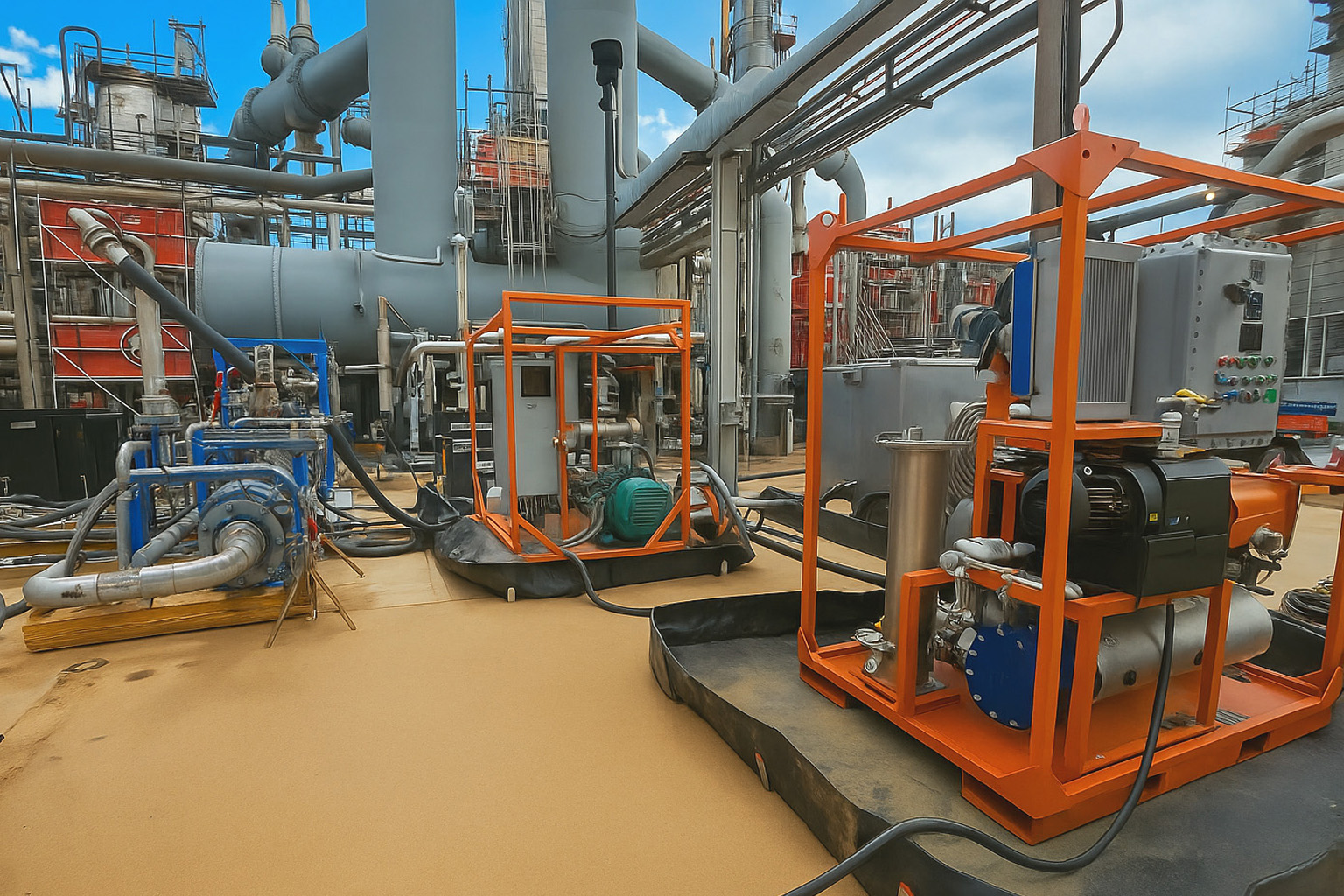
High Velocity Oil Flushing (HVOF) is a critical maintenance process used to eliminate harmful contaminants, like scale, metal shavings, and debris, from piping and equipment systems. These contaminants can enter systems through everyday exposure, including rainwater, dust, and installation debris. When performed by trained technicians, HVOF enhances system cleanliness, improves equipment reliability, and helps prevent costly downtime or repairs. It’s an essential procedure for both pre-commissioning and routine maintenance to ensure systems operate efficiently and within OEM cleanliness standards.

BENEFITS

Why it Matters

Service Scope
Service Scope

Our team begins by assessing your equipment and circulation system to evaluate current conditions and identify critical flushing points.

We develop a tailored flushing plan based on system specifications, cleanliness targets, and fluid compatibility.

Using engineered jumper circuits, custom filtration skids, and high-capacity pumps, our team executes the flush at turbulent flow rates to dislodge and remove contaminants.
Fluid analysis and particle count testing are used to confirm cleanliness against target ISO standards.
A detailed post-job report includes documentation of procedures, data logs, and cleanliness verification results.
GET MORE INFO

Discover More. Achieve More.

Explore how our solutions can cut costs, extend fluid life, and keep your operations running at peak performance.
MORE INFO

FAQs

HVOF is a maintenance process that uses high flow rates to clean hydraulic or lubrication systems of debris and contaminants before operation or during routine servicing.
Flushes are recommended during new system installations, after major equipment overhauls, or when fluid analysis indicates unacceptable contamination levels.
Duration depends on system size, complexity, and required cleanliness level. Most flushes range from one to several days and are planned to minimize disruption to operations.
We use ISO 4406 standards and OEM-specific cleanliness codes to ensure that particle counts fall within the required thresholds.
In some cases, yes. However, depending on contamination levels and lubricant condition, new or temporary flushing fluid may be used to maximize effectiveness.
Answer