
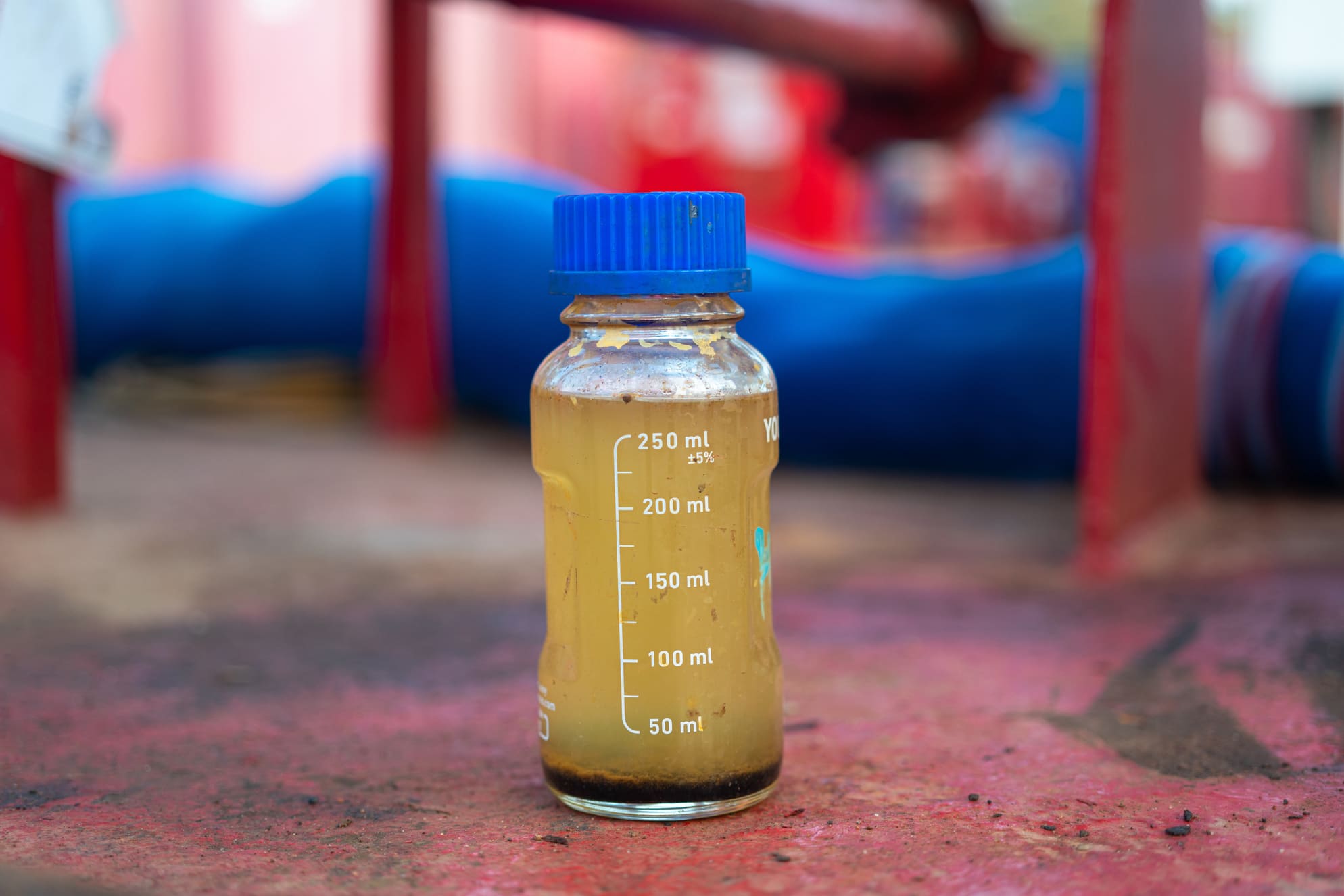
Contaminated oil doesn't always need to be replaced. In many cases, the right treatment can restore lubricant cleanliness, extend fluid life, and reduce unnecessary replacement costs. But knowing when to reclaim oil and when replacement is the better option requires a clear understanding of the lubricant's condition.
That's where oil analysis becomes essential. By identifying contamination, monitoring fluid health, and evaluating signs of degradation, facilities can make more informed maintenance decisions before minor issues become costly equipment problems.
Start with Oil Analysis
Before deciding whether to reclaim or replace industrial oil, it's important to understand what's happening inside the system. Oil analysis provides valuable insight into lubricant condition by evaluating factors such as particulate contamination, water content, viscosity, oxidation, and additive health. These findings help determine whether the oil can be effectively treated or if degradation has progressed to the point where replacement is necessary.
Just as importantly, oil analysis can help identify developing equipment issues and contamination trends before they lead to unplanned downtime.
BES works with laboratory partners to provide oil analysis services, supported by an experienced team of lubrication and reliability specialists who help customers interpret their results. Beyond identifying potential concerns, our team can recommend appropriate next steps based on the lubricant's condition, equipment requirements, and operating environment.
Determine the Right Corrective Action
Not all oil contamination requires the same solution. The appropriate treatment depends on the type and severity of contamination, the condition of the lubricant, and the requirements of the equipment.
For example, elevated particle counts may indicate a need for filtration, while excessive moisture may require dehydration. Sludge, varnish, and other degradation by-products may call for more specialized treatment. In cases where the lubricant has experienced significant chemical degradation or additive depletion, replacement may be the most practical option. BES offers a range of industrial reliability and fluid conditioning services to address these challenges, including filtration, dehydration, reclamation, varnish mitigation, system flushing, and reservoir cleaning.
By matching the corrective action to the condition of the oil and the needs of the equipment, facilities can avoid unnecessary fluid replacement while maintaining required operating standards.
When Is Oil Replacement the Better Option?
While reclamation can offer significant advantages, not every lubricant is a candidate for recovery.
Severe oxidation, depleted additives, irreversible chemical changes, or contamination that cannot be effectively removed may make replacement necessary. The decision should also account for treatment costs, disposal expenses, equipment downtime, and original equipment manufacturer (OEM) specifications.
Even when reclamation is technically possible, it must make operational and financial sense. Most importantly, treated oil must continue to meet the performance and cleanliness requirements of the equipment it protects.
BES helps customers evaluate these considerations and identify a practical path forward, whether that means restoring existing oil, addressing system contamination, or recommending fluid replacement.
From Oil Analysis to Action: The BES Advantage
Identifying a lubricant problem is only the first step. Knowing how to address it is what helps facilities protect equipment, control maintenance costs, and minimize disruptions.
BES brings together oil analysis, technical expertise, and specialized field services to help customers move from identifying a problem to implementing a solution. Whether it's routine condition monitoring, a filtration project, or a more complex fluid reliability challenge, our team works with customers to determine the right approach for their operation. Concerned about contamination or the condition of your industrial lubricants? Talk to one of our experts today to take the next step in improving your operation.